
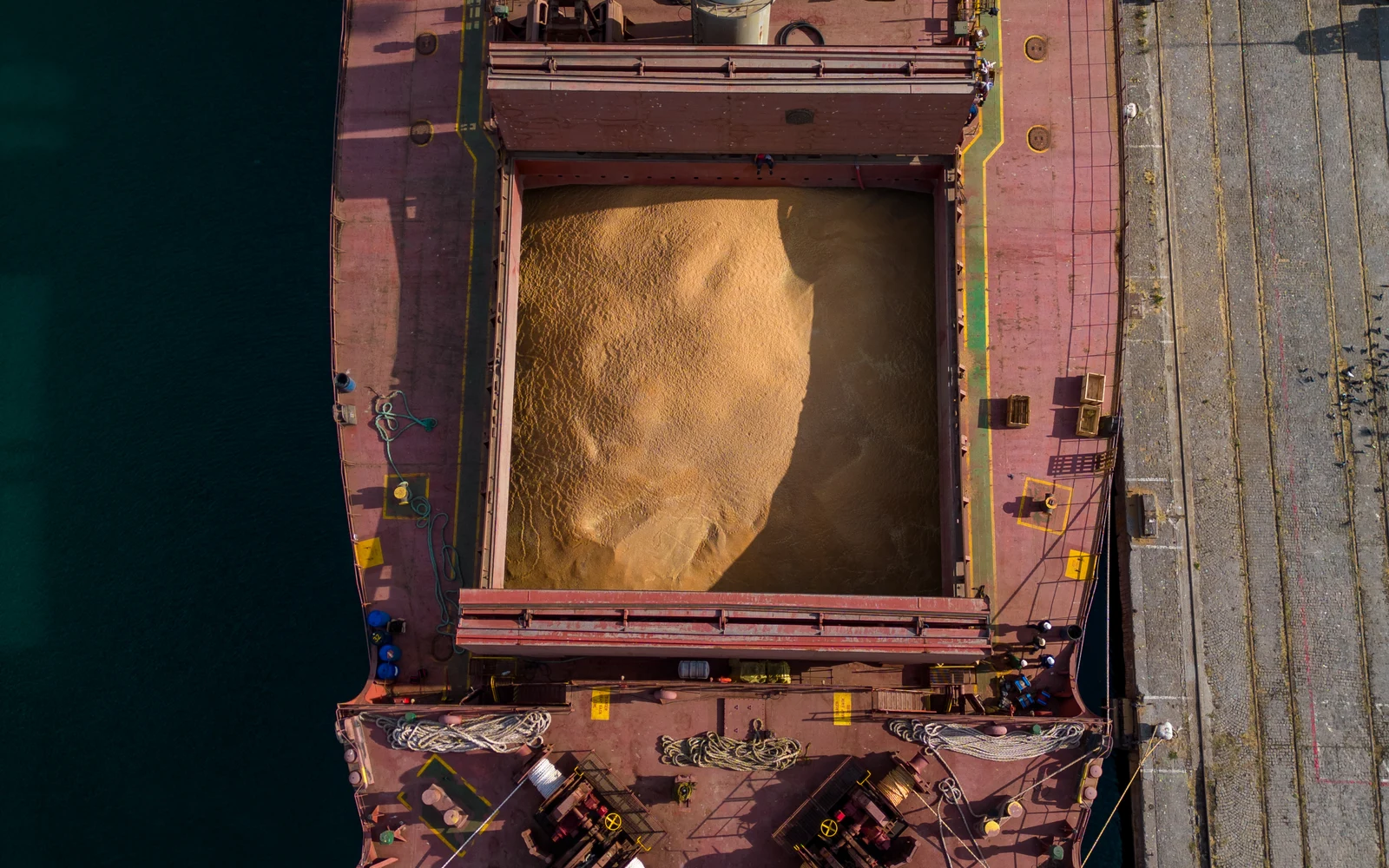
Bulk terminals bring together unloading, conveying and storage. When the cargo is combustible, transfer points and dust collection become relevant to fire and explosion risk. A protection concept needs to account for both the material and the route it takes through the terminal.
Grain · Biomass · Dry bulk logistics
Typical processes
- Unloading & transfer
- Conveyors & elevators
- Bulk storage
Protection priorities
Map ignition hazards and potential incident propagation across handling equipment, transfer points and storage areas.
Protection review
What we assess.
Cargo & unloading
Establish the properties of each handled cargo and how they may change between shipments.
Transfer points & conveyors
Review material movements and dust generation at unloading, conveying and transfer locations.
Bulk storage
Consider storage equipment, connected handling routes and the operating constraints of the terminal.
Useful information for your project discussion.
- Cargo properties and changes between handled materials
- Transfer points, conveyors, elevators and storage
- Interfaces and execution constraints across the terminal